
Travel Guides
Solo Travel Guide
Planning a trip on your own can be one of the most rewarding ways to travel. This BFM Travels solo travel guide is designed for UK travellers who want practical advice, smart planning tips and the confidence to book a trip that feels exciting, safe and well organised.
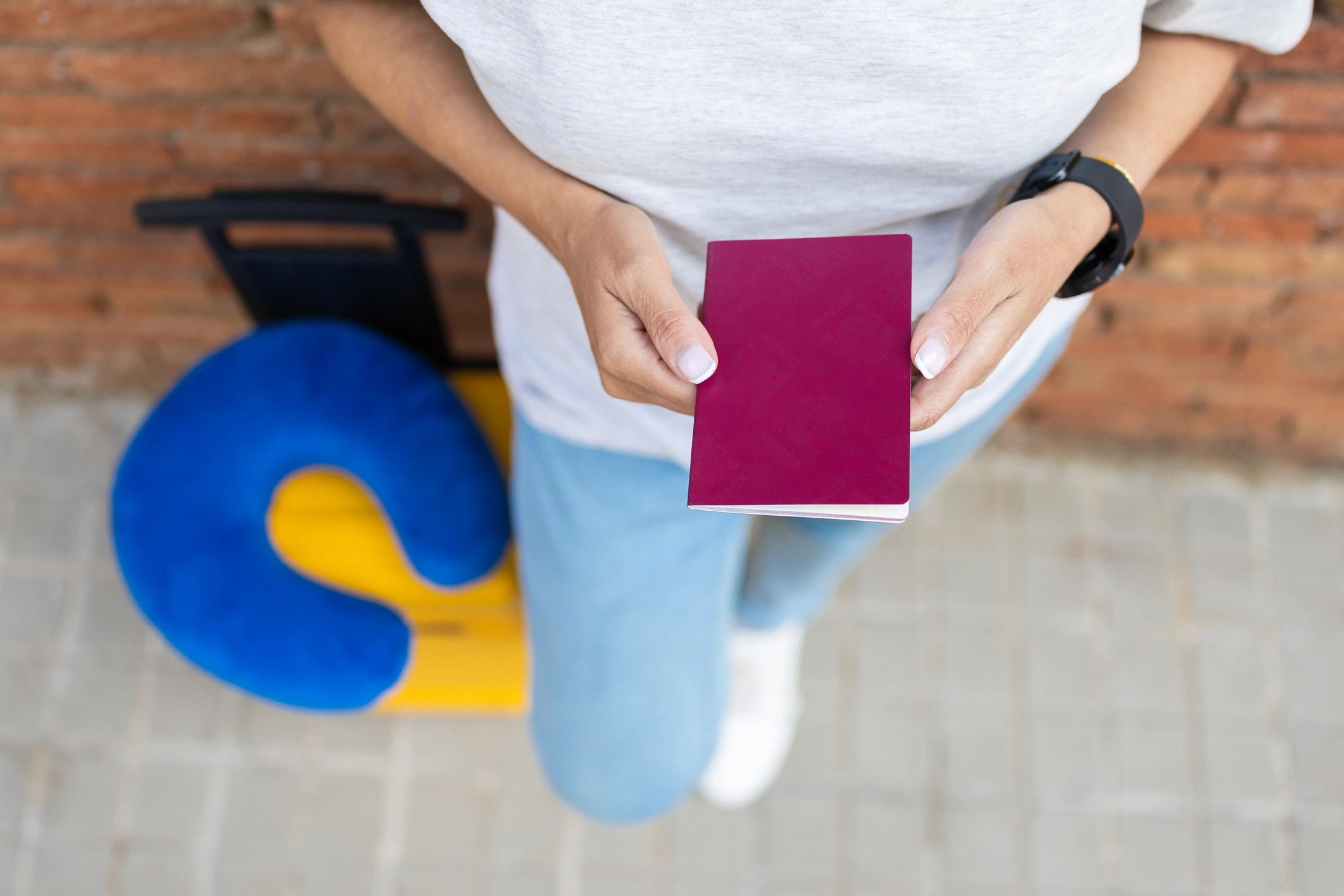
Why this guide matters and how to plan your trip
Solo travel gives you freedom, flexibility and the chance to shape every part of your holiday around your own interests. It can also feel daunting if you are arranging flights, accommodation, transport and day-to-day logistics without a travel companion. This guide brings together evergreen advice to help you plan with confidence, avoid common pitfalls and make better booking decisions. Whether you are considering a city break, a beach escape or a longer multi-stop trip, the key is to balance independence with preparation. Good solo travel planning is not about overthinking every detail. It is about making sensible choices before you leave, understanding your destination, and giving yourself enough structure to feel secure while still leaving room for spontaneity. For many UK travellers, solo travel starts with choosing the right destination and the right style of trip. A first solo holiday might suit a well-connected European city such as Lisbon, Barcelona or Madrid, where public transport is straightforward and there is plenty to do during the day and evening. Others may prefer a resort-based break in Tenerife, Majorca or the Algarve, where it is easy to combine downtime with organised excursions. If you already know the type of holiday you want, it is worth exploring related pages such as City Breaks, Luxury Holidays, Adults Only Holidays and Last Minute Holidays to compare options that match your budget, pace and travel style.

Step 1
Choose the right destination
Start with destinations that match your confidence level, budget and interests. If this is your first solo trip, look for places with good tourist infrastructure, clear transport options, plenty of accommodation choice and a steady flow of other travellers. Think about flight times from the UK, language barriers, local customs, and how easy it will be to get from the airport to your hotel. A destination that feels manageable on paper often feels far more enjoyable in practice.
Step 2
Book the essentials first
Once you have chosen your destination, secure the basics before adding extras. Compare flights, hotel locations and baggage options carefully. Read recent accommodation reviews with a solo traveller mindset, focusing on neighbourhood, reception hours, room type and ease of access rather than just headline ratings. It is also wise to arrange travel insurance early and to keep digital and printed copies of important documents.
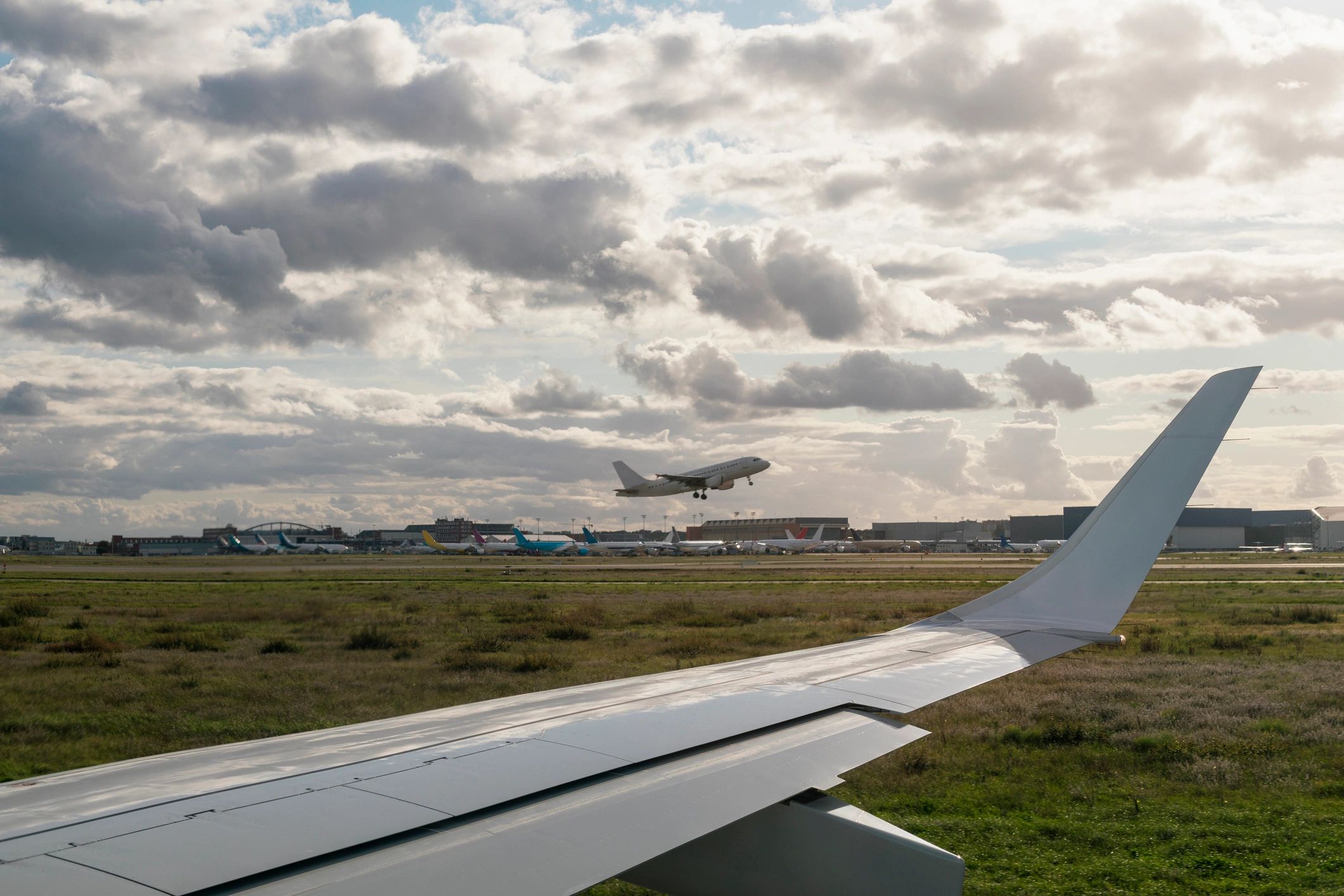

Step 3
Build a flexible day-by-day plan
A good solo itinerary gives you structure without removing freedom. Plan your arrival, airport transfer, first evening and a shortlist of priority sights or activities. Pre-book only the things that genuinely benefit from advance planning, such as popular attractions, timed museum entries or long-distance transport. Leave space for rest, local discoveries and changes in weather or mood. Solo travel often works best when your plan is clear but not rigid.
Expert Advice
Expert tips, common mistakes and money-saving ideas
One of the biggest advantages of solo travel is that you can design the trip entirely around your own priorities. That means choosing flight times that suit you, staying in the area that best matches your plans, and spending more time on the experiences you genuinely enjoy. To make the most of that freedom, think carefully about where you stay. A slightly more central hotel can sometimes be better value overall than a cheaper option on the outskirts, especially if it reduces taxi costs, saves time and makes evenings feel easier to manage. When comparing hotels, pay close attention to location, transport links, room security, reception availability and whether breakfast is included. It is also worth planning your arrival with extra care. Solo travellers often feel most vulnerable when landing late, navigating an unfamiliar airport or trying to find accommodation after dark. Booking a clear transfer plan, downloading offline maps and saving your hotel address in multiple places can make the first few hours much smoother. If you are travelling outside the UK, check official government travel advice and entry requirements before departure, and review any airline or destination-specific rules that may change over time. Time-sensitive information should always be confirmed with official sources before you travel.
Common mistakes usually come down to either under-planning or over-planning. Some travellers book the cheapest possible flight and hotel without thinking about arrival times, neighbourhoods or hidden extras. Others fill every day with activities and leave no room to rest, adjust or simply enjoy being somewhere new. Another frequent error is failing to share plans with someone at home. Even if you are highly experienced, it is sensible to leave a copy of your itinerary, accommodation details and flight information with a trusted person. You should also keep emergency contacts accessible and make sure your phone can be used abroad, whether through roaming, local SIM or eSIM options. Money-saving tips for solo travel are often about strategy rather than sacrifice. Travelling outside peak school holiday periods can widen your choice of flights and accommodation. Midweek departures may offer more flexibility than weekend travel. Booking attractions selectively rather than automatically buying every pass can also help you focus your budget on experiences you truly want. If you are planning a beach break, compare resort areas carefully, as nearby towns can sometimes offer better overall value than the most famous strips. For city trips, consider whether a public transport pass, museum card or walking-based itinerary makes the most sense for your style of travel. A solo trip does not need to be expensive to feel rewarding. The aim is to spend well, not simply to spend less.
Solo travel works best when you combine freedom with smart preparation.
BFM Travels
Before you book, think about the type of trip you want to have. If you are looking for sunshine and easy resort logistics, pages such as Spain Holidays, Canary Islands Holidays and Portugal Holidays can help you compare destination styles. If you prefer culture, food and walkable neighbourhoods, consider Italy Holidays, France Holidays or Dubai Holidays depending on the pace and atmosphere you want. Related travel guides that naturally pair with this page include Packing Tips, Travel Insurance Guide, Airport Guide, Visa Guide, Travel Safety Guide and Budget Travel Guide. If you are planning a short independent break, itinerary-style pages such as 3 Days in Rome, 3 Days in Paris or 5 Days in Tenerife are also useful next steps for shaping your route.
Checklist
Useful solo travel checklist
Use this simple checklist before you travel so the practical details are covered. Confirm your passport validity, travel insurance, transport plans, accommodation address, payment methods and emergency contacts. Download maps, boarding passes and key bookings to your phone, and keep a backup copy in your email or cloud storage. Pack light enough to move around comfortably, but include the essentials you would struggle to replace quickly on arrival.
Passport, insurance and official guidance checked
Flights, hotel and transfers confirmed
Cards, cash and phone access prepared
First-day plan and emergency contacts saved
FAQs
Solo travel guide FAQs
These frequently asked questions cover the practical concerns many UK travellers have before booking a solo trip.